12Day Birding Safari in Southern Tanzania
per person
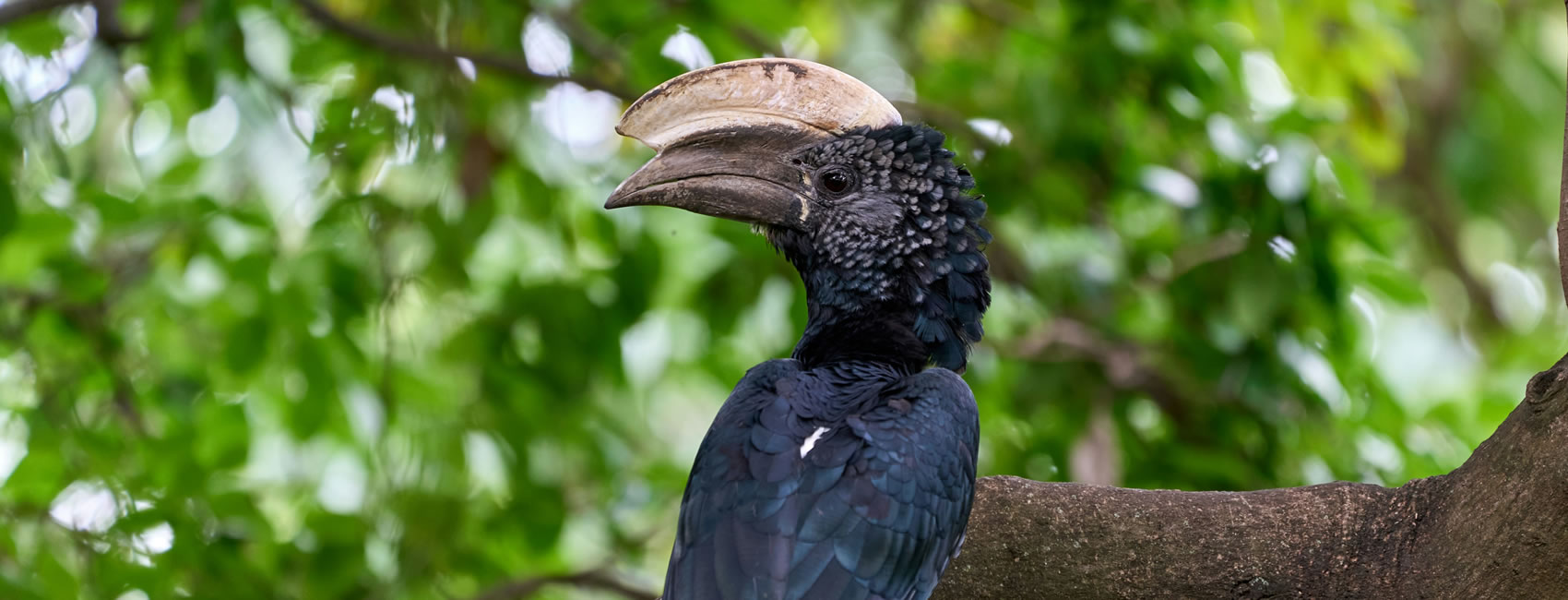
Dar Es Salaam serves as the starting and finishing point for the 12-day Southern Tanzania Birding Safari. You will bird several locations, including the formidable Ruaha National Park, the Mikumi National Park, the Udzungwa Mountains, the Kilombero Valley, and the Nyerere National Park, to see a variety of birds such as the Pale-billed hornbill, Dickinson’s kestrel, the Violet-crested turaco, the Plovers, the Kingfishers, the Sunbirds, the Bee-eaters, and the Egrets.
Tanzania is one of the best destinations for bird watching as of August 2019, with an estimated 11114 species of avifauna, 30 of which are endemic, 44 accidentals, and 4 human-introduced.
This is Africa’s third biggest concentration of avifauna, accounting for more than 10% of the global total.
Safari Highlights
- Day 1: Dar es Salaam to Selous Game Reserve
- Day 2: Full-day game drive at Selous Game Reserve
- Day 3: Nature Walk and Birding in Selous Game Reserve
- Day 4: Transfer from Selous to Mikumi National Park
- Day 5: Bird Miombo forests, then Mikumi National Park.
- Day 6: Full-day birding at Mikumi National Park
- Day 7: Travel from Mikumi to Udzungwa National Park
- Day 8: Birding the Kilombero Valley Endemics
- Day 9: Udzungwa to Ruaha National Park.
- Day 10: Big game viewing, photography, and birding
- Day 11: Adventure in Ruaha National Park
- Day 12: Transfer from Ruaha National Park to Dar Es Salaam
Full Travel Itinerary
1
Day One: Dar es Salaam to Selous Game Reserve
Following a brief introduction and drive to the Selous Game Reserve in Southern Tanzania, you will meet your birding guide and proceed to Rufiji River Lodge, located on the banks of the spectacular Rufiji River. You'll arrive in time for a late lunch.
After lunch, relax and go on a thrilling riverboat cruise to see crocodiles and hippos, among other animals. During your boat trip on the Rufiji River, you may see kingfishers, yellow-billed storks, lapwings, and colorful bee-eaters.
Skimmers are constantly soaring over the water, and you may see fish eagles and palm-nut vultures high in the trees.
2
Day 2: Full-day game drive at Selous Game Reserve
After breakfast, embark on a full-day game drive through the Selous Game Reserve in search of greater kudu, lion, waterbuck, southern reedbuck, and bushbuck.
Your driver guide will serve your packed lunch and select a great location with shade and water nearby, allowing you to observe many animals coming in for a drink!
A variety of species can be found at the Selous Game Reserve today, including the African wattled lapwing, African spoonbill, Pel's fishing owl, Spur-winged lapwing, White-fronted bee-eater, and Common White-headed vulture.
After spending the entire day sightseeing, return to the campsite to watch the sunset.
3
Day 3: Nature Walk and Birding in Selous Game Reserve
Get up early and, accompanied by an armed ranger, go on a guided nature walk into the jungle and along the riverbank to learn about the game reserve's species and vegetation.
After breakfast, return to the camp to continue your game drive and birdwatching adventure in the park. Look for birds such as the Pel's fishing owl, Böhm's bee-eater, African skimmer, Pearl-spotted owlet, Thick-billed cuckoo, Broad-billed roller, White-headed lapwing, White-backed vulture, African skimmers, yellow-bellied bulbul, green-capped eremomela, African skimmers, Layard's black-headed weavers, broad-billed roller, grey-hooded kingfisher, and white-fronted plover.
Waders, wattle-eyed flycatchers, spotted-flanked barbet, red-throated twin spot, brown-headed parrot, mosque swallow, brown-breasted barbet, freckled nightjars, palm-nut vulture, purple-banded sunbird, Mangrove kingfishers and green-billed coucals, Arnot's discussion, long-tail fiscal, Livingstone's flycatcher, red-winged warbler, Boehm's bee-eater, black cuckoo-shrike, Sterling's barred warbler, green-capped eremomela, red-faced Crombec, red-billed helmetshrike, white helmetshrikes, grey Penduline-tit, Von der Decken's hornbill, Brown-necked Parrot, Black-winged Stilt, Palm-nut Vulture, Dickinson's Kestrel, Racket-tailed rollers, The Yellow-billed Stork, The Carmine bee-eater White-backed night heron and Rock pratincole in Selous Game Reserve.
4
Day 4: Transfer from Selous to Mikumi National Park
After a leisurely breakfast, drive to Mikumi National Park, crossing the Selous Game Reserve from east to west, passing via Morogoro and Mikumi. Mikumi contains a variety of plains and hills.
The Park also forms part of the well-known Miombo Woodlands. You will get the opportunity to witness a range of unusual and uncommon animals that cannot be found anywhere in Tanzania.
Along the route, you can take spontaneous breaks to stretch and watch birds, and you'll arrive at Tan-Swiss Lodge in time for dinner and the night.
5
Day 5: Bird Miombo forests, then Mikumi National Park
After breakfast, take a guided birdwatching trip to the Miombo Woodlands to seek Shelley's Sunbird, Miombo Rock Thrush, Miombo Grey Tit, and Stierling's Woodpecker.
Later in the afternoon, leave Miombo Woodlands and head into Mikumi National Park to look for birds. Notable species include the Malachite kingfisher, African hawk eagle, African grey hornbill, African openbill, Cardinal woodpecker, green wood-hoopoe, Long-tailed fiscal, Mariqua sunbird, Pale batis, Pale-billed hornbill, Red-billed oxpecker, Shelley's sunbird, Southern ground hornbill, Purple-crested turaco, and Yellow-throated longclaw.
After dinner, return to your campsite for the night.
6
Day 6: Full-day birding at Mikumi National Park
After breakfast, visit Mikumi National Park for a game drive or bird-watching excursion to find a list of the park's bird species, such as Common Ostrich, Pale-faced Knob-billed Duck, Egyptian Goose, Spur-winged Goose, Helmeted Guineafowl, Crested Guineafowl, Coqui Francolin, Harlequin Quail, Hildebrandt's Francolin, Scaly Francolin, Fulvous Whistling-Duck, Little Grebe, Red-necked Francolin, Yellow-necked Francolin, Mourning Doves: Ring-necked, Red
Black-bellied Bustard, White-bellied Bustard, Purple-crowned Turaco, Black-winged Kite, African Harrier-Hawk Levaillant's Cuckoo, Pied Cuckoo, Thick-billed Cuckoo, Dideric Cuckoo, Klaas Cuckoo, African Emerald Cuckoo, Barred Long-tailed Cuckoo, Black Cuckoo, Red-chested Cuckoo, African Cuckoo, Common Cuckoo, Bare-faced go-away-bird, gray go-away-bird, and White-bellied go-away-bird, White-browed Coucal, Black Coucal, Green Malkoha. A variety of vultures, including the palm-nut, Egyptian, European honey-buzzard, and African cuckoo-hawk White-headed, Lappet-faced, Hooded, and White-backed types, Bateleur's Griffon and Rüppell's Wahlberg Eagle, Tawny Eagle, Steppe Eagle, African Hawk-Eagle, Lizard Buzzard, Black-chested Snake-Eagle, Brown Snake-Eagle, Fasciated Snake-Eagle, Crowned Eagle, Martial Eagle, Long-crested Eagle, Lesser Spotted Eagle, Dark Chanting-Goshawk, Eastern Chanting-Goshawk, Gabar Goshawk, Pallid Harrier, Montagu's Harrier, African Goshawk, Shikra, Little Sparrowhawk, Ovambo Sparrowhawk, Black Goshawk, Black Kite, Eurasian Marsh-Harrier, African Marsh-Harrier, Common Buzz Tanzanian Red-billed Hornbill, Eastern Yellow-billed Hornbill, Von der Decken's Hornbill, Crowned Hornbill, African Gray Hornbill, Pale-billed Hornbill, and additional species.
7
Day 7: Travel from Mikumi to Udzungwa National Park
After breakfast, travel south to the Udzungwa and Kilombero floodplains for an amazing afternoon of bird watching. Look for endemic bird species in the Kilombero flood plains, including the dappled throated mountain robin, Iringa akalat, Kilombero weaver, and Melodius cisticola.
8
Day 8: Birding the Kilombero Valley Endemics
After breakfast, go on a walking or hiking tour of the East Udzungwa forest to see endemic forest birds like the Kilombero Weaver, Kilombero Cisticola, and White-tailed Cisticola, as well as endemic primates like the near-endemic Rungwecebus kipunji and the Udzungwa red colobus Procolobus gordonorum and Sanje mangabey Cercocebus.
9
Day 9: Udzungwa to Ruaha National Park.
After breakfast, take a long drive through Mikumi and Iringa Towns, stopping along the route to witness wildlife and birds before arriving at the Great Ruaha National Park in Udzungwas. Ruaha National Park is home to around 574 different bird species, making bird-watching an exciting and pleasurable experience.
The wet season is typically the ideal time to go bird watching, with migrating birds visible from November to April.
10
Day 10: Big game viewing, photography, and birding.
Ruaha National Park Enjoy breakfast before driving to Ruaha National Park for some exciting big game viewing, photography, and bird watching. Some of the bird species seen in Ruaha National Park include the African fish eagle, Ashy starling, Black-bellied bustard, Collared palm-thrush, Crested barbet, Eleonora's falcon, Emerald-spotted wood dove, Goliath heron, Long-crested eagle, Namaqua dove, Southern ground hornbill, Tanzanian red-billed hornbill, White-bellied go-away bird, and Yellow-collared lovebird.
Crocodiles, roan and sable antelope, Greater and Lesser Kudu, Grant's gazelles, cheetahs, elephants, buffalo, hippos, lions, leopards, and wild dogs are some of the most common huge creatures seen on this day.
After retiring, return to the lodge you had reserved for dinner and the night.
11
Day 11: Adventure in Ruaha National Park
After breakfast, return to Ruaha National Park for another game drive and bird watching tour in an attempt to spot the animals and birds missed the previous day.
You may see birds such as the ashy starling, crested barbet, and yellow-collared lovebird. Collared palm-thrush, the common red-billed hornbill of Tanzania, Black-bellied bustard, Crested barbet, African fish eagle, Giant kingfisher, White-browed coucal, Common Bateleur, Emerald-spotted wood dove, Goliath heron, Eleonora's falcon, Long-crested eagle, Namaqua dove, Southern ground hornbill, White-bellied go-away bird, Yellow-collared lovebird, and a slew of other notable birds are also worth mentioning.
12
Day 12: Transfer from Ruaha National Park to Dar Es Salaam.
After breakfast, leave the park and begin your long journey via Dar es Salaam to Julius Nyerere International Airport, capping out your 12-day birding safari in southern Tanzania with many wonderful encounters.
End of safari
Tour Includes;
- Accommodation
- All meals
- Transport in 4×4
- Guides & Park fees
Excludes
- International flight ticket
- Tourist Insurance
- Beverages
- Tips