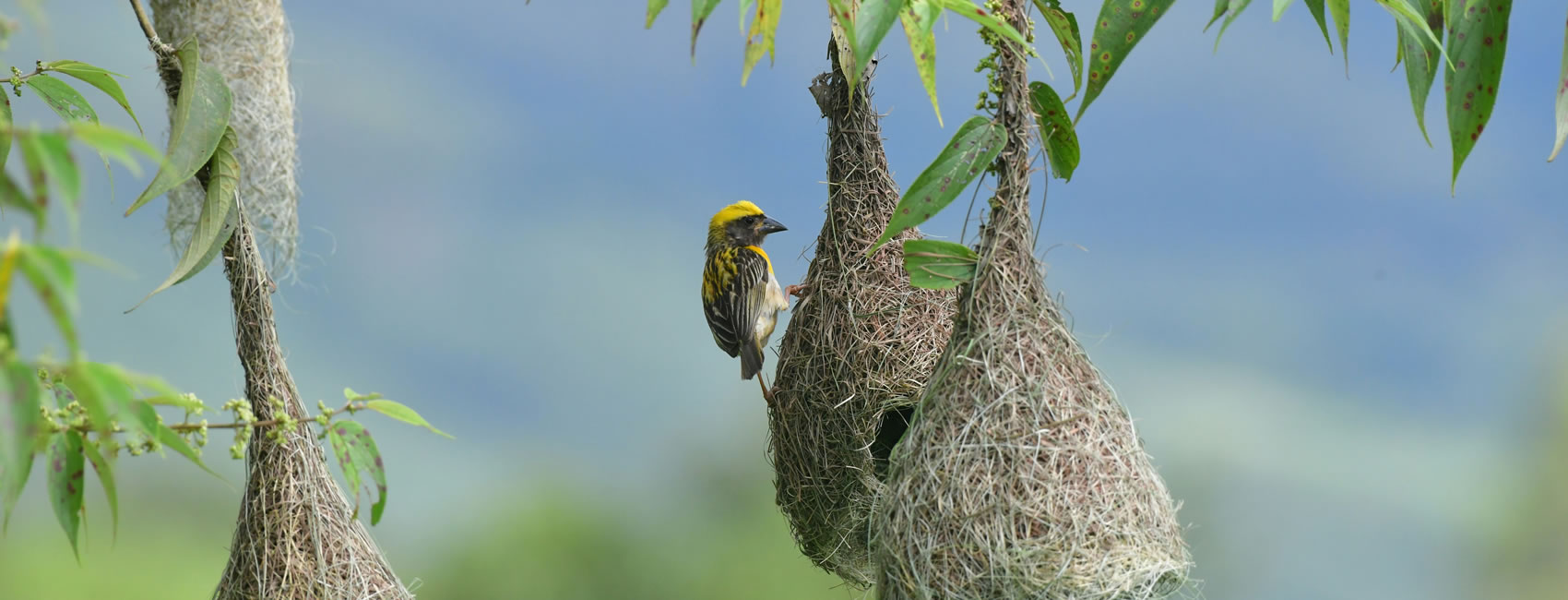
14-Days of Birdwatching Safari in Tanzania
per person
Your 14-day bird watching safari in Tanzania will take you to the northern regions, where you will see the Black-headed gonolek, Fischer’s lovebird, Green-backed woodpecker, Grey-backed fiscal, Grey-breasted spurfowl, Grey-crested helmet-shrike, Hildebrandt’s starling, and Grey-backed woodpecker.
Tanzania is an excellent site for bird watching; as of August 2019, 1114 distinct bird species had been identified there.
There are 30 endemic bird species, 44 accidental species, and 4 human-introduced species.
Tanzania has more birds than any other African country, ranking third overall and accounting for about 10% of the global bird population.
North for 14 days Although arrangements for Tanzania Bird Watching Safaris can be made at any time of year, the best months to visit are November through April.
Safari Highlights
- Day 1: Transfer to bird Arusha National Park
- Day 2: Full day Game drive / Birding in Arusha National Park
- Day 3: Transfer to Tarangire National Park.
- Day 4: Full-day birding in Tarangire National Park.
- Day 5, transfer to Kirurumu Manyara Lodge.
- Day 6: Bird Lake Manyara National Park
- Day 7: Transfer from Manyara to Karatu Gibbs Farm
- Day 8: Karatu to Ngorongoro Crater.
- Day 9: Bird Ngorongoro Crater.
- Day 10: Ngorongoro Crater to Serengeti National Park
- Day 11: Bird Serengeti National Park
- Day 12: Transfer to Speke Bay
- Day 13: Birdwatching on Lake Victoria
- Day 14 – Speke Bay to Arusha
Full Travel Itinerary
1
Day 1: Transfer to bird Arusha National Park
Following a quick introduction to your 14-day North Tanzania bird watching safari, travel to Arusha National Park with a picnic lunch for a full day of big game and bird watching.
With around 575 migrant and resident bird species, including small grebes, eagles, spur-wing geese, pochards, geese, red sharks, hammer kop, woodpeckers, herons, secretary birds, and grey parrots, among others, the park offers an excellent opportunity for bird watching.
Return to the lodge you reserved later in the evening for dinner and an overnight stay
2
Day 2: Full day Game drive / Birding in Arusha National Park
After an early breakfast, we from the resort at 0600 for a full day of walking safari and bird watching in Arusha National Park.
Among the birds you'll see are the African fish eagle, African olive pigeon, Hartlaub's turaco, little grebe, Peregrine falcon, Red-fronted parrot, Augur buzzard, Bar-tailed trogon, Bearded vulture, Black saw-wing, Egyptian goose, Cinnamon-chested bee-eater, Tawny eagle, Great crested grebe, Narina trogon, Scaly francolin, Silvery-cheeked hornbill, Southern pochard, and Verreaux's eagle, among others.
You will also encounter a variety of creatures, including zebras, baboons, giraffes, hippopotamuses, buffalo, hyenas, elephants, and many other antelope species. After you've finished dinner, drive to your resort for the night.
3
Day 3: Transfer to Tarangire National Park
After breakfast, head to Tarangire National Park in Arusha National Park for a big game and bird watching expedition. Tarangire is an excellent bird-watching destination, with over 500 different species seen there.
Common birds in Tarangire National Park include the Ashy starling, Red-bellied parrot, Red-and-yellow barbet, Speckle-fronted weaver, and Tawny eagle.
4
Day 4: Full-day birding in Tarangire National Park
After breakfast, spend the rest of the day in the park seeing big animals and birds. Among the birds you might see are the African grey flycatcher, Ashy starling, Bare-faced go-away bird, Donaldson-Smith's nightjar, Vulturine guineafowl, Great White Pelican, Rufous-tailed weaver, Mouse-colored penduline tit, Northern pied babbler, Northern white-crowned shrike, Ostrich, Pink-breasted lark, Slate-colored boubou, Von der Decken's hornbill, and Yellow-collared lovebird, among others.
You will also encounter a variety of species, including fringe-eared oryx, the rare long-necked gerenuk, buffalo, zebra, wildebeest, lion, hyena, and large pythons.
5
Day 5, transfer to Kirurumu Manyara Lodge
After breakfast, visit Lake Manyara for bird watching before returning to the camp for lunch. In the evening, you'll go bird watching outside the camp, looking for Egyptian fowls, Yellow-necked Francolin, Grouse and Scaly Francolin, Greater and Lesser Flamingo, Helmeted Guineafowl Pheasants, and White-faced Whistling Ducks.
6
Day 6: Bird Lake Manyara National Park.
After breakfast, depart for a full day of big game and bird watching at Lake Manyara National Park. Keep an eye out for the following bird species: Grey-crowned Crane, Abdim's Stork, African Fish Eagle, African Hawk Eagle, African Jacana, African Spoonbill, Hamerkop, Baglafecht Weaver, and African Hornbill. Larger flamingo, The sacred ibis and the pink-backed pelican, Duck with comb. Greater White Pelican, Hottentot Teal, Crowned Eagle, Lesser flamingos, brief period Birds spotted include the Saddle-billed stork, Silvery-cheeked hornbill, Von der Decken's hornbill, Spur-winged geese, Pied kingfisher, Pied avocet, and Yellow-billed stork. Elephants, giraffes, hippos, buffalo, zebras, and wildebeest are among the species that may be seen on this day.
7
Day 7: Transfer from Manyara to Karatu Gibbs Farm
After breakfast, travel to Gibbs Farm, where you will arrive in time for a hot lunch in the afternoon. After that, go on a guided woodland hike to waterfalls and Elephant Caves.
Gibbs Farm is home to more than 200 distinct bird species, including the African Hill Babbler, Arrow-marked Babbler, Moustached Tinkerbird, Red-fronted Tinkerbird, Cinnamon-chested Bee-eater, European Bee-eater, and Little Bee-eater.
African Cuckoo, Common Bulbul. Gray-olive Greenbul, Golden-winged Sunbird, Green-headed Sunbird, Gray-capped Warbler. Black-headed, Brown-headed, and Bar-Throated Apalis Camaroptera with grey or greenbacks were Black-backed puffback, Yellow-breasted Apalis, Tawny-anked Prinia, Hunter's Cisticola, Rattling Cisticola, Red-faced Cisticola, and Winding Cisticola. Brown-crowned Tchagra, Lack-fronted Bushshrike, Sulphur-breasted Bushshrike, Tropical Boubou. Black-crowned Tchagra. Red-billed Quelea. The red-collared widowbird, Red-headed Weaver, Spectacled Weaver, Speke's Weaver, Baglafecht Weaver, Black-necked Weaver, Fan-tailed Widowbird, Grosbeak Weaver, Holub's Golden-Weaver, Lesser Masked-Weaver, Village Weaver, Black Bishop, Yellow Bishop, and more.
8
Day 8: Karatu to Ngorongoro Crater.
After breakfast, proceed to Ngorongoro and arrive in the afternoon for a delicious meal at Tortilis Camp. After that, take a tour of the crater floor in search of a range of animals such as ostriches, lesser flamingos, cape wigeons, and Abdim's storks.
9
Day 9: Bird Ngorongoro Crater.
Following breakfast, make your way to the crater floor for a full day of crater exploration, where you can look for a variety of birds, including the African spoonbill, Augur buzzard, Capped wheatear, Greater flamingo, Eastern double-collared sunbird, Egyptian vulture, Fan-tailed widowbird, Hartlaub's turaco, dove, Hildebrandt's francolin, Hildebrandt's starling, Jackson's widowbird, Scarlet-chested sunbird, Schalow's wheatear, Jackson's widowbird, Kori bustard, Livingstone's turaco, Namaqua Red-and-yellow barbet, Rufous-tailed weaver, Rosy-throated longclaw, Speke's weaver, Verreaux's eagle, and White-eyed slaty flycatcher are among them.
Lions, zebras, buffalo, elephants, wildebeest, black rhinos, hippopotamuses, and hyenas are among the animals you might see in the Ngorongoro Crater.
10
Day 10: Ngorongoro Crater to Serengeti National Park.
After breakfast, head to the Serengeti's Olduvai Gorge for some wildlife viewing and bird observation.
You can look for around 500 different bird species here, including raptors, larks, fiches, ostriches, grassland secretary birds, and Kori bustards.
11
Day 11: Bird Serengeti National Park.
After breakfast, go on a full-day wildlife drive and bird watching expedition in the Serengeti National Park.
Among the birds you might see are Schalow's turaco, rufous-tailed weaver, red-throated tit, grey-throated spurfowl, and grey-crested helmet shrike.
12
Day 12: Transfer to Speke Bay.
After breakfast, take a game drive through the Serengeti National Park to Speke Bay, stopping to see lions, elephants, zebras, and giraffes, among other animals.
Speke Bay is located on the southeast coast of Lake Victoria in western Tanzania. Speke Bay is approximately fifteen minutes' drive west from Grumeti Game Reserve, which is located on the western fringe of the Serengeti National Park.
Keep an eye out for the following birds in Speke Bay, southeast of Lake Victoria: Eurasian and Square-tailed Nightjars, Blue-cheeked Bee-eater, Slender-billed Weaver, Red-chested Sunbird, Northern Brown-throated Weaver, Verreaux's Eagle-Owl, Black-headed Gonolek, African Openbill, and Swamp Flycatcher.
13
Day 13: Birdwatching on Lake Victoria
After breakfast, canoe along Lake Victoria's shore to see more birds, including the African water rail, African jacana, Lesser jacana, Egyptian goose, Squacco heron, Grey-crowned crane, African Marsh Harrier, Black-winged tern, Pink-backed pelican, sacred ibis, purple swamphen, Grey-headed Gull, Allen's gallinule, and African water rail.
After supper, take an evening bird walk across the 100 hectares of savanna around the lodge in search of species such as blue-headed coucal, Red chested sunbird, northern brown-throated weaver, yellow-backed weaver, and swamp flycatcher
14
Day 14 - Speke Bay to Arusha
After breakfast, leave for Arusha, returning with a picnic lunch and various activities along the road.
This concludes your 14-day North Tanzania Bird Watching Safari and leaves you with many wonderful memories.
End of safari
Tour Includes;
- Accommodation
- All meals
- Transport in 4×4
- Guides & Park fees
Excludes
- International flight ticket
- Tourist Insurance
- Beverages
- Tips